
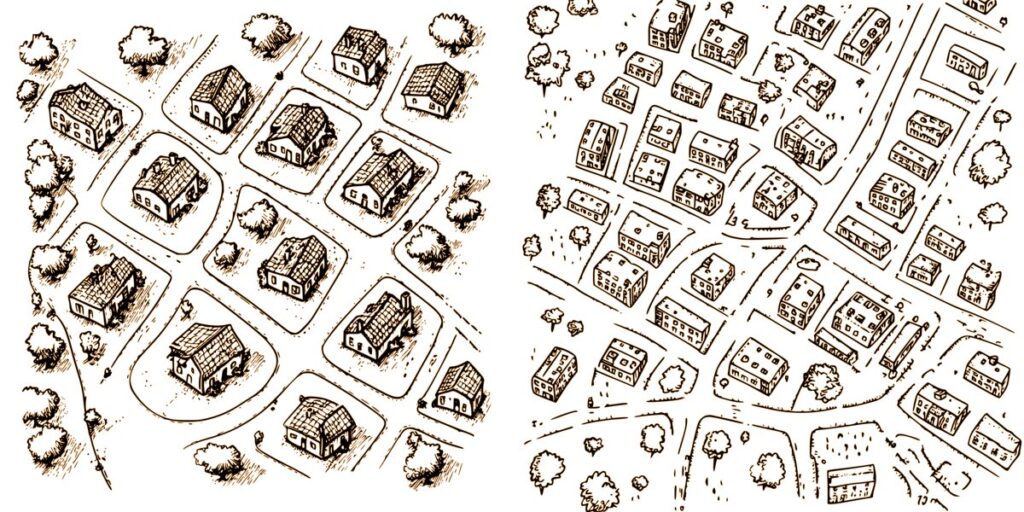
Nestled in the vibrant heart of Hilliard, Ohio, the Fairway Commons neighborhood stands as a testament to community, progress, and an enduring appreciation for heritage. For longtime residents and newcomers alike, Fairway Commons isn’t just a collection of homes — it’s a place with roots that reach deep into Hilliard’s past, yet branches that stretch confidently toward the future.
The Origins: Where It All Began
The story of Fairway Commons begins in the late 1970s, as Hilliard transformed from a quieter rural village into the bustling suburban city it is today. As developers looked westward from Columbus, the gentle rolling land west of Main Street and north of Cemetery Road presented an inviting canvas. The area’s proximity to the Municipal Hilliard Golf Course (now the Raymond Memorial Golf Course area) inspired the neighborhood’s name. Here, plots of farmland and wide-open fairways gave way to thoughtfully planned cul-de-sacs and tree-lined streets, offering families the best of both worlds: a serene suburban setting with easy access to metropolitan amenities.
The Significance of a Name
Fairway Commons’ name is more than a geographic nod — it represents the neighborhood’s origins beside the old golf fairways that shaped early Hilliard recreation. “Fairway” honors the green, open expanses beloved by both golfers and outdoor enthusiasts, while “Commons” evokes the sense of shared community space that defines life here. Early promotional materials painted the neighborhood as the perfect intersection of country charm and city convenience, and the name Fairway Commons quickly became synonymous with friendly neighbors and safe streets.
Key Historical Milestones
Fairway Commons’ timeline is marked by a series of important milestones:
- 1978-1982: Initial Development – The first homes sprang up along Pebble Court, Augusta Drive, and St. Andrews Court. Builders emphasized brick-fronted ranches and two-story colonials, many of which still define the area’s aesthetic today.
- 1985: Establishment of Fairway Commons Association – Residents formed a neighborhood association, fostering communication and organizing annual block parties — a tradition cherished to this day.
- 1990s: Parks and Green Space Expansion – What began as narrow strips of shared areas soon grew into local treasures, such as Fairway Commons Park on Turnberry Lane. Benches, playgrounds, and walking trails turned the parks into gathering spaces.
- 2004: Traffic Calming and Safety Initiatives – The Hilliard City Council worked with residents to install speed humps and pedestrian crossings, ensuring kids could safely walk to Hilliard Crossing Elementary and nearby parks.
Notable Landmarks and Institutions
Fairway Commons is distinguished by the places that have long been at the heart of neighborhood life:
- Fairway Commons Park (Turnberry Lane)
This compact, beautifully maintained park serves as a green oasis for residents. With its mature shade trees, playground equipment, and picnic shelter, it hosts everything from summer cookouts to quiet Sunday morning strolls.
- Hilliard Crossing Elementary School (Cemetery Road)
Located just outside the neighborhood’s southwestern border, this beloved elementary school is a source of pride for parents and grandparents alike. Its soccer fields and open campus foster a spirit of youthful energy that spills into the neighborhood.
- St. Brendan the Navigator Catholic Church (Davidson Road)
Though technically a short distance from Fairway Commons’ northern edge, St. Brendan’s has played an influential role in the spiritual and communal life of local families for decades.
Key thoroughfares such as Pebble Court, Augusta Drive, St. Andrews Court, and Pinehurst Drive have become familiar names, echoing the golf-inspired heritage of the neighborhood.
Evolution Through the Decades
Time has brought both change and continuity to Fairway Commons. What began as a quiet outpost for young families grew into a dynamic, multigenerational enclave. Residents who once pushed strollers now welcome grandchildren to the same neighborhood parks, and cars parked in driveways now represent both longtime homeowners and new arrivals drawn by Fairway Commons’ reputation.
Over the decades, the neighborhood has seen:
- Generational Growth – Many original owners chose to stay, leading to a strong sense of continuity. At the same time, young families have injected the community with fresh energy, keeping local traditions alive.
- Architectural Consistency – The home designs remain true to their roots, with tasteful updates ensuring the charm of the past meets the comforts of the present.
- Expanded Community Networks – The Association’s annual Fourth of July parade, Halloween stroll, and holiday decorating contests foster enduring connections among neighbors.
What Makes Fairway Commons Special
Ask any resident, and you’ll hear the same refrain: Fairway Commons is more than just a place to live—it's a community where people look out for one another. Here, neighbors greet each other by name while tending gardens, and children’s laughter is a familiar soundtrack on warm evenings. The intentional layout of the neighborhood encourages both privacy and connection: cozy cul-de-sacs limit traffic while sidewalks and pocket parks provide natural gathering spaces.
Perhaps the greatest testament to the neighborhood’s spirit is the way history is honored, even as the community grows. Mature oaks and maples, planted by the earliest residents, continue to shade block parties and leaf piles. The annual community rummage sale, a tradition since 1987, is as popular today as ever, drawing visitors from across Hilliard and offering newcomers a warm introduction to the neighborhood’s heritage.
Looking to the Future
While Fairway Commons remains grounded in its rich history, the neighborhood continues to evolve, welcoming new faces and adapting to the needs of today’s families. Thoughtful updates to local parks, revitalized landscaping, and enhanced community programs ensure that the legacy of Fairway Commons will endure for generations to come.
To walk the streets of Fairway Commons is to walk through layers of local history, each home and hedge telling a quiet story of friendship, pride, and belonging. In a rapidly changing world, the neighborhood’s steadfast sense of place is not just its past — it’s the promise of a bright future.